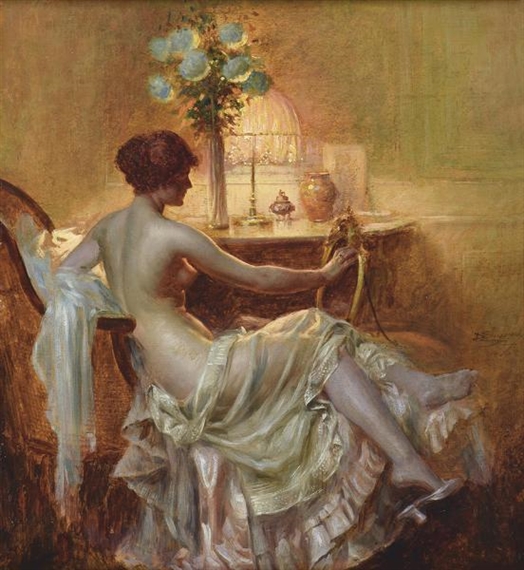
My tutor suggested using famous artworks in advertisements as part of their marketing methods. The reason that companies do this is for several psychological and strategic reasons, primarily to attract attention, enhance brand image and perceived value, and forge deeper emotional and cultural connections with consumers.
https://www.bulgarihotels.com/.imaging/bhr-wide-big-jpg/dam/arteit/67921---the-venus-of-velázquez%2C-scandal-and-beauty/format-2560x1600-67921/jcr%3Acontent
This painting shows Venus lying on her front, gazing at herself in a mirror held by Cupid. It’s often copied or echoed in beauty and perfume adverts — for example, Yves Saint Laurent and Dior campaigns have used women in this same reclining pose, looking into a mirror or reflection. The scene suggests confidence, sensuality, and self-awareness, which are powerful messages for beauty brands. The use of the mirror also ties to modern ideas of self-image and identity, making the composition timeless. Advertisers reuse this pose because it feels intimate but elegant, and it gives the model a sense of quiet power rather than overt sexuality.
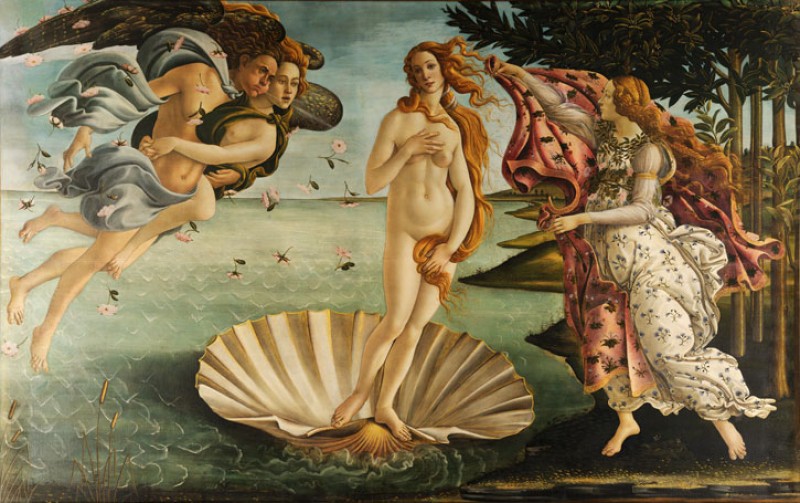

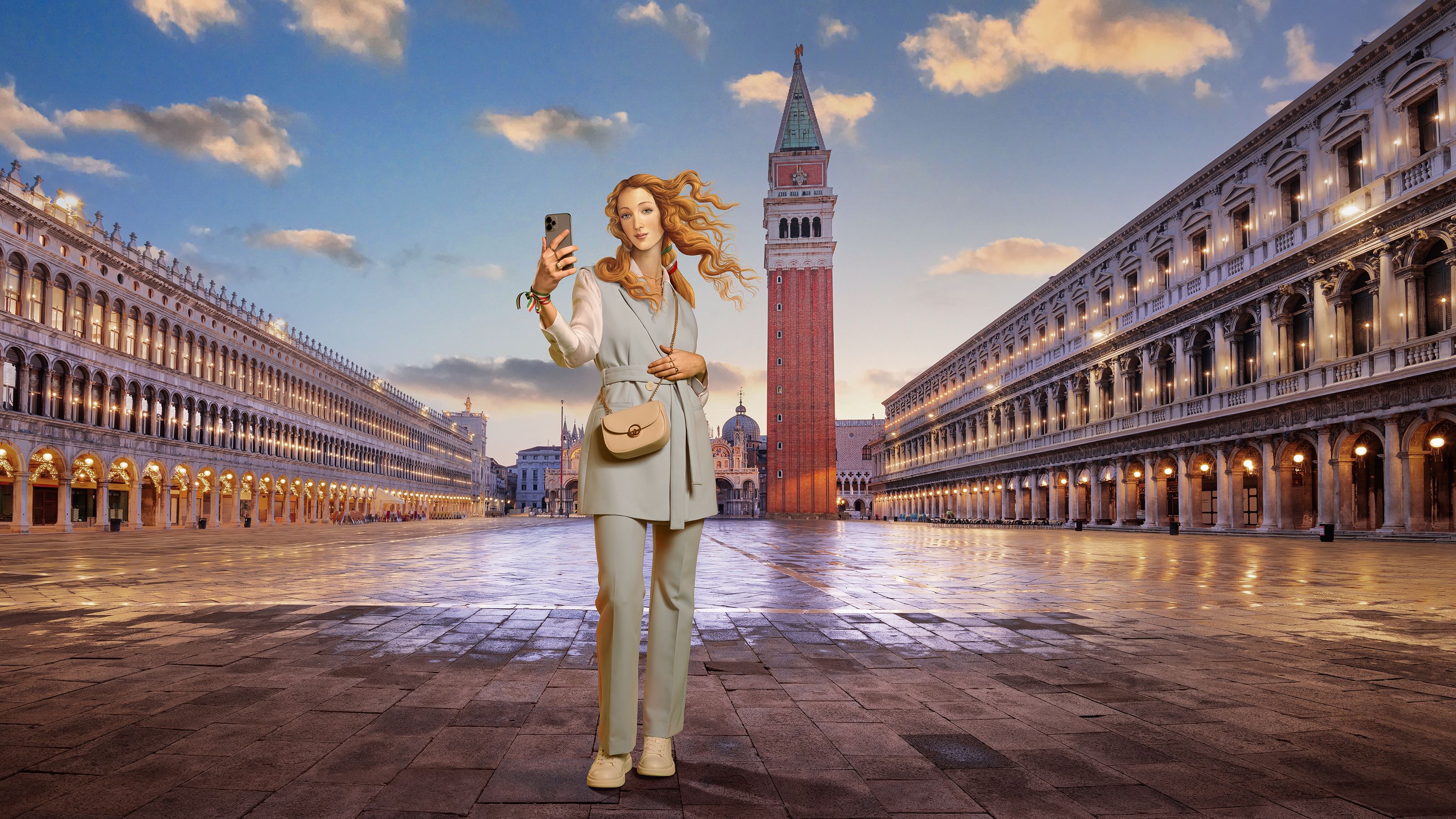
While this exact painting is less common in adverts, its atmosphere — romantic, balanced, and dreamlike — has inspired many fashion shoots and tourism campaigns. Botticelli’s Venus often represents ideal beauty and natural grace. The 2023 Italy Tourism Campaign turned Venus into a digital “influencer”, showing how brands continue to use her as a symbol of Italian culture and charm. The mix of myth and reality makes her relatable yet unreachable — a perfect quality for advertising luxury or lifestyle. Venus and Mars also show the contrast between calm femininity and lazy masculinity, which can be reinterpreted in adverts as gender balance or playful desire.


This painting shows movement, emotion, and touch — Venus reaching out to Adonis as he turns away. Adverts and films often use similar compositions to suggest longing, passion, and loss. The Louis Vuitton x Jeff Koons collaboration directly printed Titian’s work onto handbags, turning fine art into fashion. Brands like Dolce & Gabbana and Gucci also draw from Titian’s warm colour palette and dramatic lighting to express romance and heritage. Using Renaissance art in marketing gives a product a sense of history and importance — it says, “this is timeless beauty.” Titian’s storytelling through gesture and light makes it a natural fit for brands wanting emotional connection.
Scenes of Diana and her nymphs bathing have inspired many perfume and skincare adverts. The theme of being “caught unguarded” or “seen in nature” links to ideas of purity and natural beauty. Even when adverts don’t directly copy the painting, they use similar setups: soft light, skin tones, fabric textures, and glimpses of vulnerability. These images promise viewers an idealised natural self untouched yet admired. The mythological context also adds a sense of storytelling that elevates simple products into fantasy experiences.
This work captures tension, emotion, and group dynamics among women. It’s been echoed in editorial fashion spreads where models are placed together in emotional poses — half-supporting, half-judging one another. Adverts that show friendship or exclusivity, such as perfume campaigns with multiple women, often draw from this kind of scene. The composition allows for a mix of strength and vulnerability, showing women in community but still with drama. Titian’s deep colours and movement are also used to create richness and visual depth in modern campaigns.
This painting’s cinematic lighting and emotion have influenced film posters and historical dramas. The 1986 film Lady Jane uses very similar imagery, and many period dramas use the same kind of spotlight on a woman in distress. The composition is perfect for storytelling: a single figure in white, surrounded by darkness, representing innocence and tragedy. Advertisers sometimes draw from this for charity or awareness campaigns, using similar contrasts to evoke empathy. It reminds viewers of humanity and emotion rather than glamour powerful for causes or storytelling media.
This calm, elegant portrait style often appears in perfume and jewellery adverts. Brands like Chanel and Dior use similar poses, soft hands, turned faces, rich fabrics — to show refinement and timeless beauty. The lighting and stillness give a sense of wealth without showing modern symbols like cars or cities. This type of portraiture is used in marketing to say: “our product makes you part of this world, graceful, composed, and admired.” The viewer is meant to feel they are stepping into the elegance of a past era.